How to restomod a boat.
Giving an historic boat a second life
Not every project starts with a blank page
At iYacht, most of our projects begin the same way: a client comes to us with an idea, a brief, a set of requirements. We develop the concept, engineer the vessel, and take it through all the phases down to CE certification. The starting point is almost always an empty sheet of paper or a rough sketch from the client.
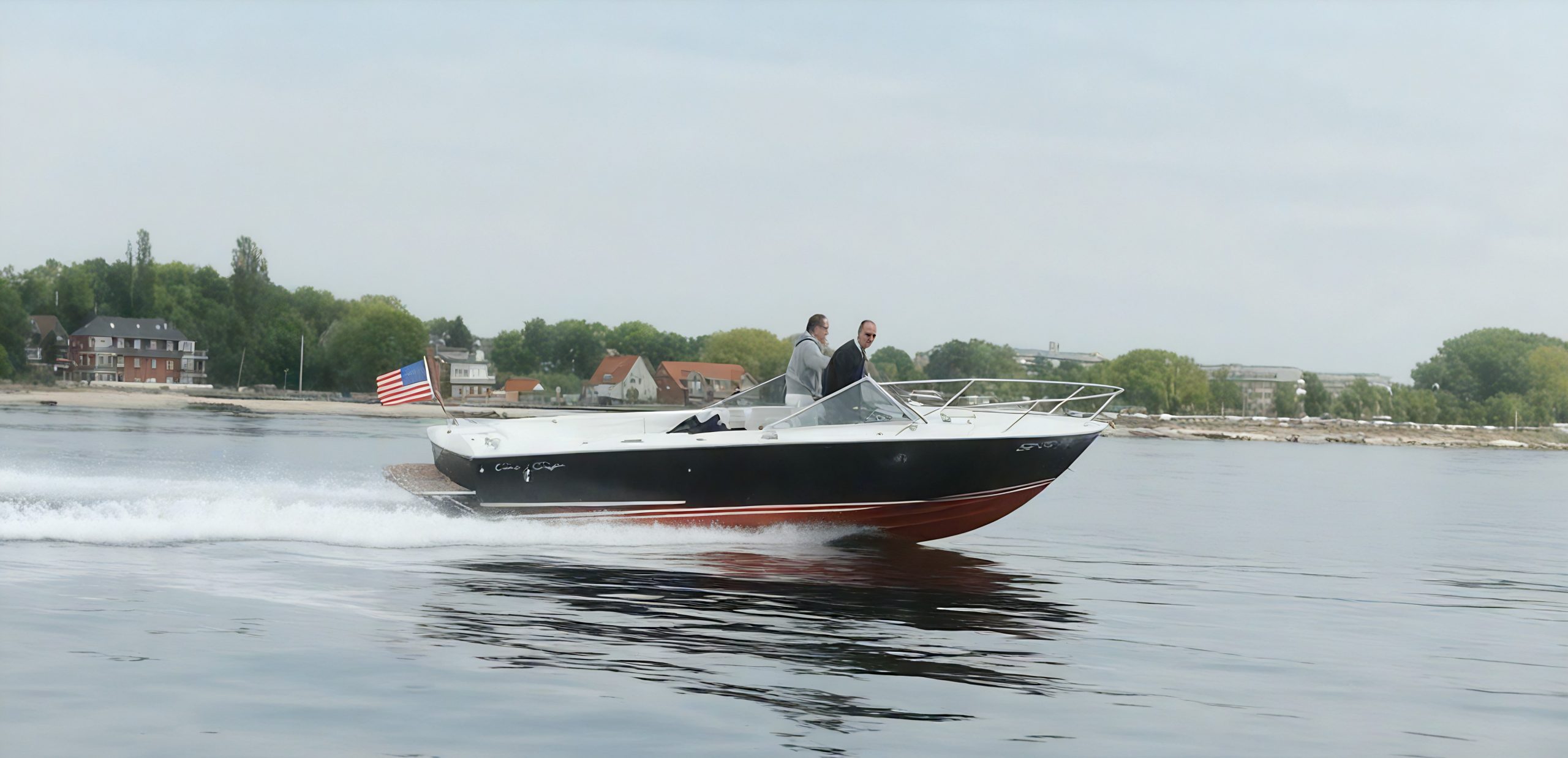
This is a different kind of story, one directly from our archive. In 2011, a client came to us with something entirely different. Not a new design, but a classic American sportboat from the 1970s, bought in the USA and in need of a complete rebuild. The brief was unusual and brought with it some real challenges. At the end of the day, the project turned out to be one of the more memorable ones.
The legend: Chris Craft Lancer
To understand what made this project interesting, you first need to understand what a Chris-Craft Lancer is. For more than 60 years, Chris-Craft was the global market leader in sportboats. Their designs were so influential that even Carlo Riva, the Italian master of wooden motorboat design, drew inspiration from them.
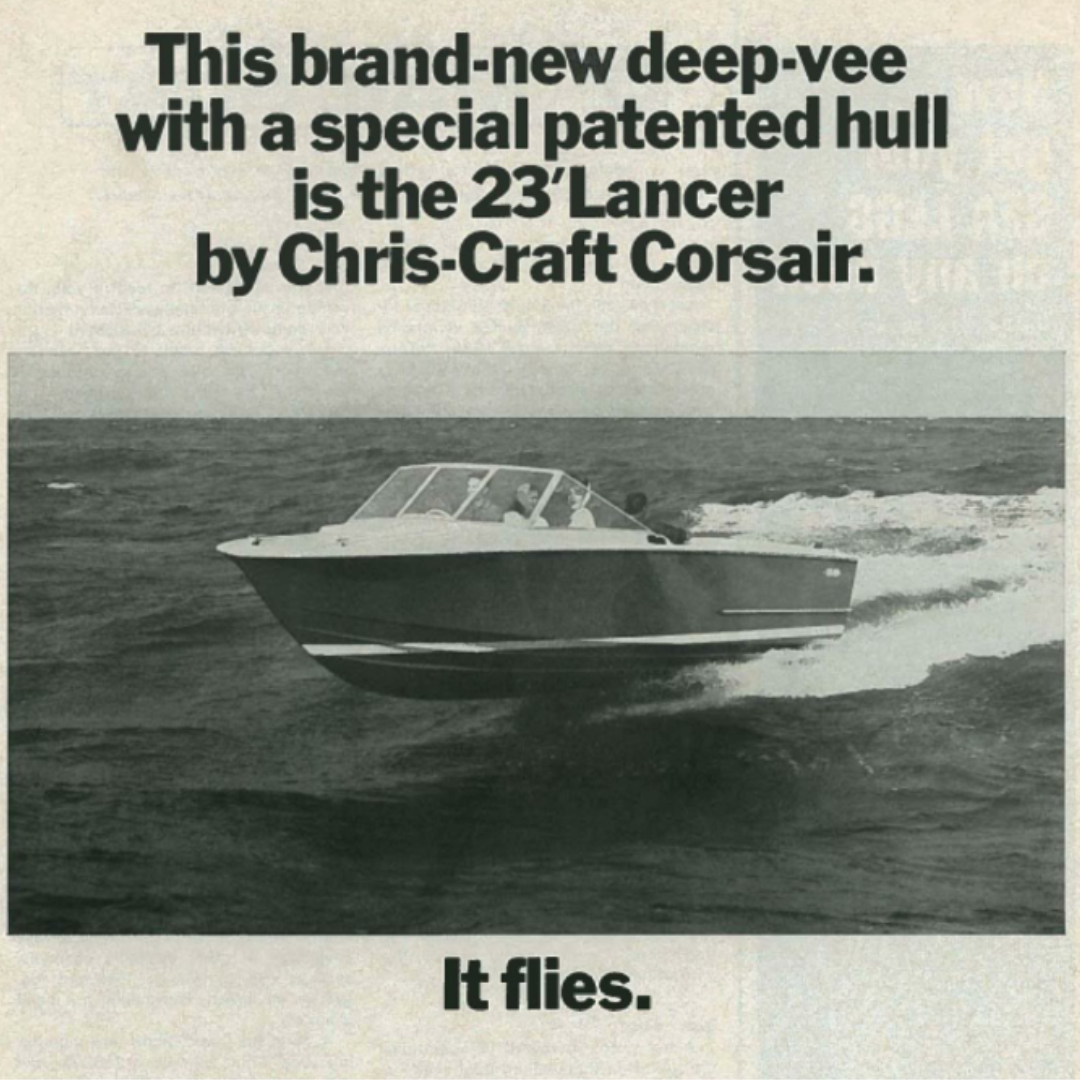
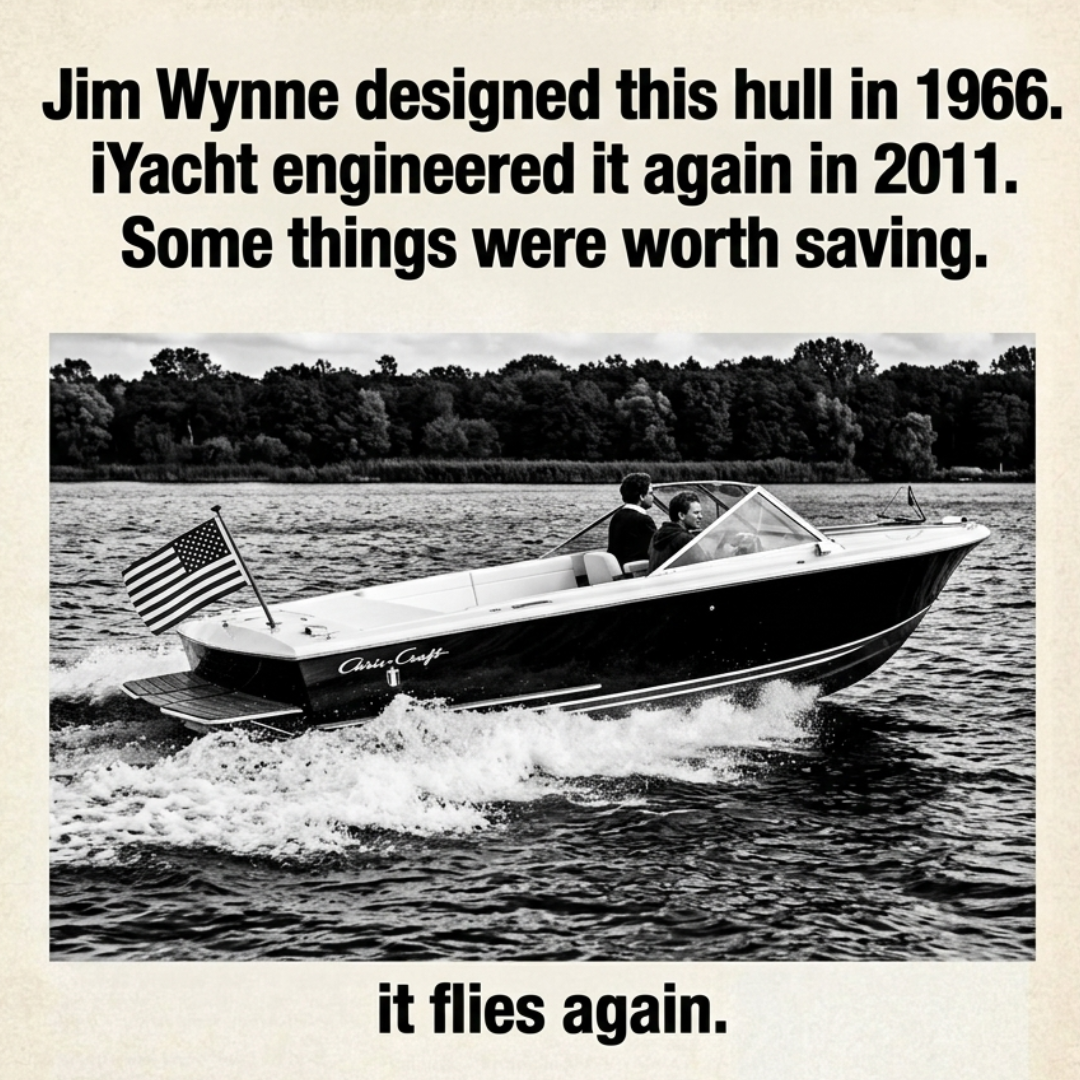
In the mid-1960s, Jim Wynne designed a deep-V hull for Chris-Craft. Dick Avery developed the superstructure, and the result was the Lancer, a boat that premiered at the New York Boat Show in 1966 to immediate acclaim.
People loved the hull lines. They loved the seakeeping capabilities of this boat, particularly in rough water. The Lancer became a benchmark for its era. It was built in four lengths, 17, 19, 23, and 25 feet, and remained in production until 1978. The 23-foot version, powered by a small-block V8 and a Volvo Penta outdrive, became the most widely built.
The Lancer also marked a turning point in boat construction: the transition from wood to fiberglass. A material change that opened the door to mass production, greater consistency, and longer-lasting hulls. But fiberglass technology in the 1960s and 1970s was far from what it is today. The boats were well designed, but the construction methods, by modern standards, left room for improvement.
The Craftland philosophy: classic boat restoration and modification
Our client founded the brand Craftland with a specific philosophy in mind. Classic boats are often so well proportioned, so right in their layout and behavior, that the design itself deserves to survive. What struggles to survive the passing of the years is the aging structure beneath it.
The Craftland approach was not restoration in the traditional sense. It was about stripping a classic hull completely down to its core, addressing every structural weakness with modern materials and methods, and rebuilding it to a standard the original never reached. Modern technology integrated carefully, with respect for the character of the boat.
When the founder of Craftland approached iYacht, he had a Chris-Craft Lancer and a clear vision. What he needed was an engineering partner to make that vision buildable, and a yard that could execute it at the required level of quality.
A different kind of engineering challenge
This is where our role began, and it was genuinely different from a new build project.
When you design a new vessel, you control every variable. You define the hull geometry, the structural layout, the systems integration. Every decision is yours. When you start from an existing classic hull, the parameters are set. The lines are given, the character is given. Your job is to understand what is already right, and fix what is not, without disrupting the former in the process.
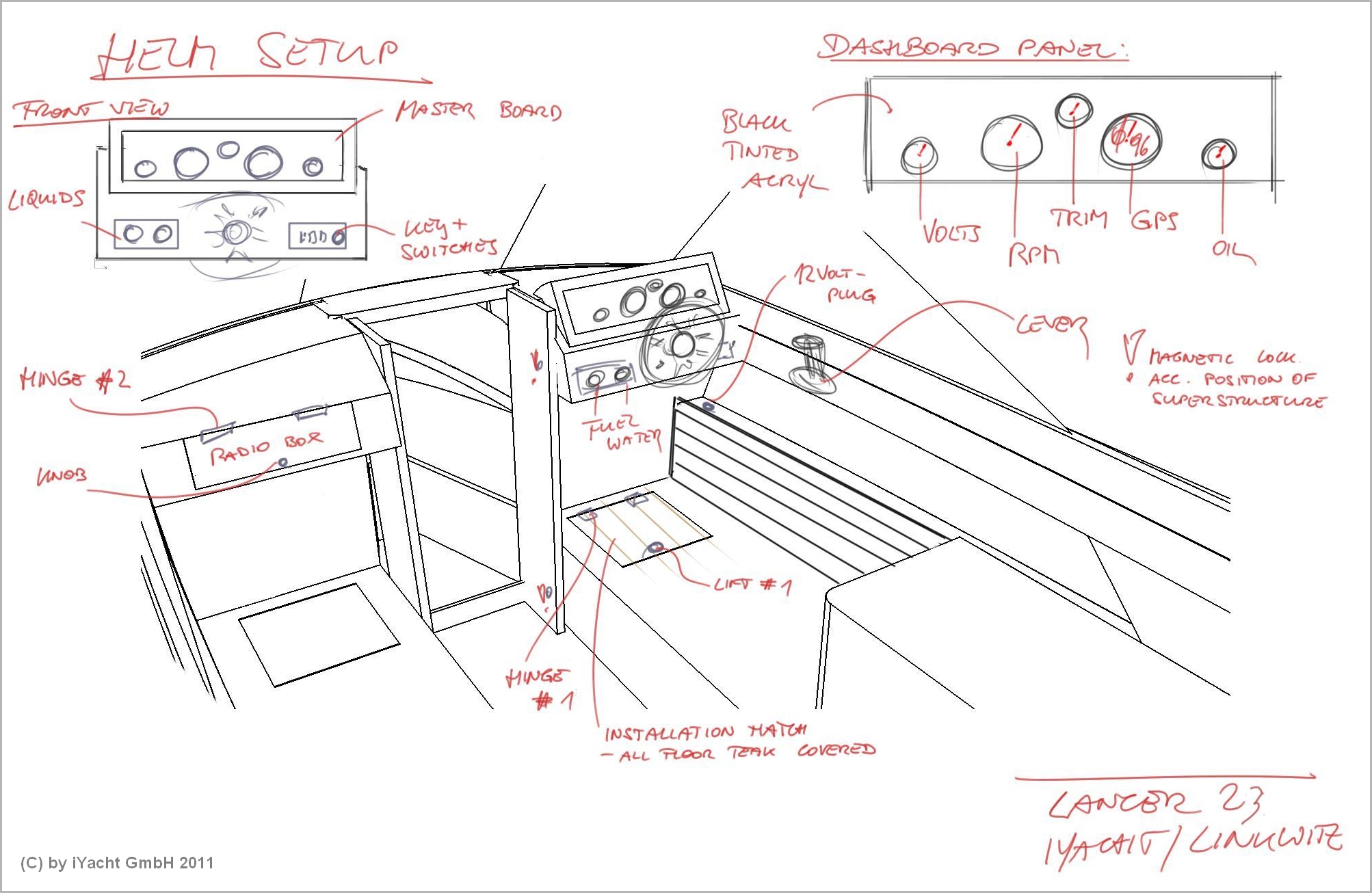
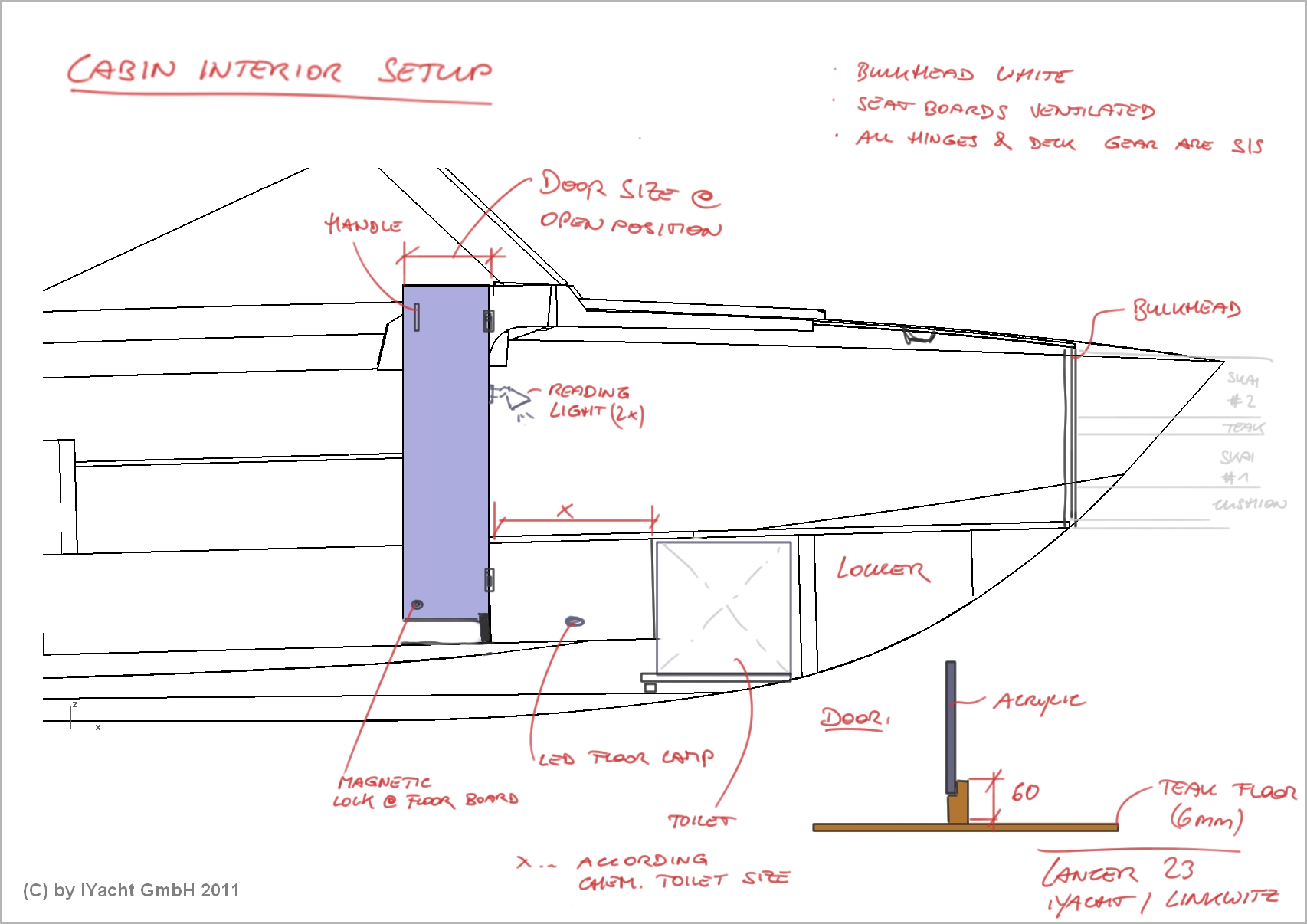
The structural challenges were real. Fiberglass construction techniques from the 1970s left areas that needed reinforcement by modern standards: stringers, bulkheads, and the hull-deck connection. Addressing these structural components required engineering assessment.
Finding the right yard was equally essential. This was not a project that any fiberglass shop could take on. The yard needed to understand the boat as a system, have the capability to execute all the necessary work including structural improvements, and be willing to work closely with iYacht and the client throughout the process. We supported the client in this search and ultimately identified Polar Shipyard in Estonia as the right partner.
“The client came to us and asked if we could support him with the project. Not only for design modification and structural support, but also for selecting a yard capable of getting the job done. We tapped into our network and identified a shipyard able to provide all the services needed. The Lancer is a small boat, and to be efficient it was necessary to avoid handovers between yards, interior fitters, and electricians. The entire restomod had to be executed within one shipyard. That was a key requirement. And it also had to be delivered within a well-defined budget.”
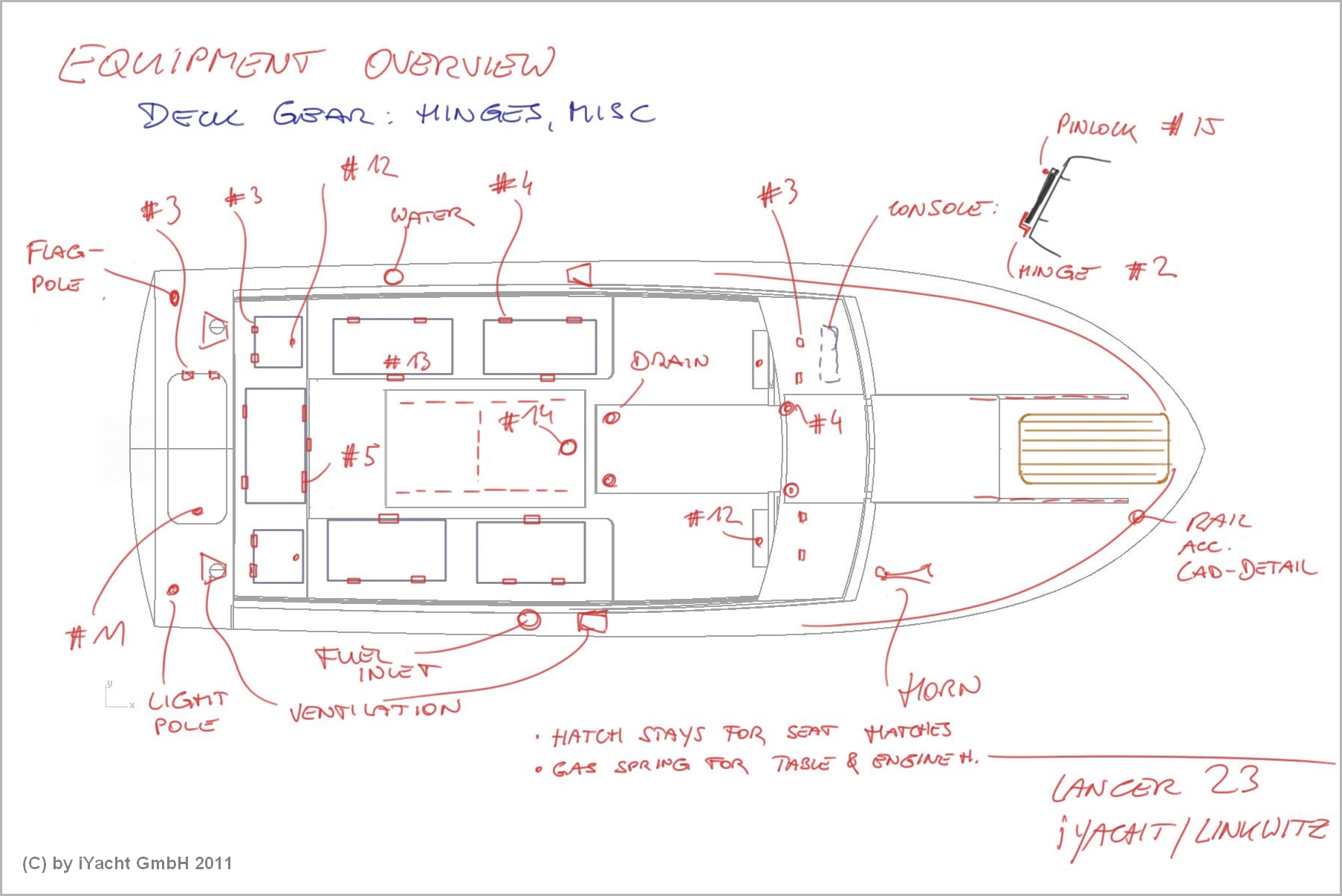
iYacht managed the layout changes, supported the structural improvement decisions, and coordinated the work between the client and Polar Shipyard throughout the rebuild.
The relationship with both the client and the yard was close and collaborative from the start, which, in a project of this complexity, matters as much as the technical work.
The result: modern performance in a classic skin
The rebuilt Lancer emerged with a specification the original could never have matched. A Volvo 5.7-litre V8 petrol engine producing 280 HP, paired with a Volvo Penta SX outdrive, dual-circuit cooling, and power steering. A fully equipped cockpit: stove, sink, swim platform shower, refrigerator, LED interior lighting, shore power connection, and battery charger. Top speed: 48 knots.
What this project taught us
Projects like the Chris-Craft Lancer restomod remind us that engineering expertise is not only valuable when you are building something new. It is equally valuable when something already exists and deserves to be saved.
At iYacht, we work across an unusually wide range of vessel types: sailing monohulls, catamarans, superyachts, commercial workboats, houseboats, pilot boats, and more. What connects them is a full-scope approach and a commitment to supporting the client through every stage. Understand the brief, identify the constraints, find the right partners and then deliver a result that meets or exceeds expectations.
The restomod of this Chris-Craft was completed over a decade ago, but the thinking behind it is very much part of how we work today: a wide range of services, adaptability, and the willingness to take on whatever challenge each new special project brings.
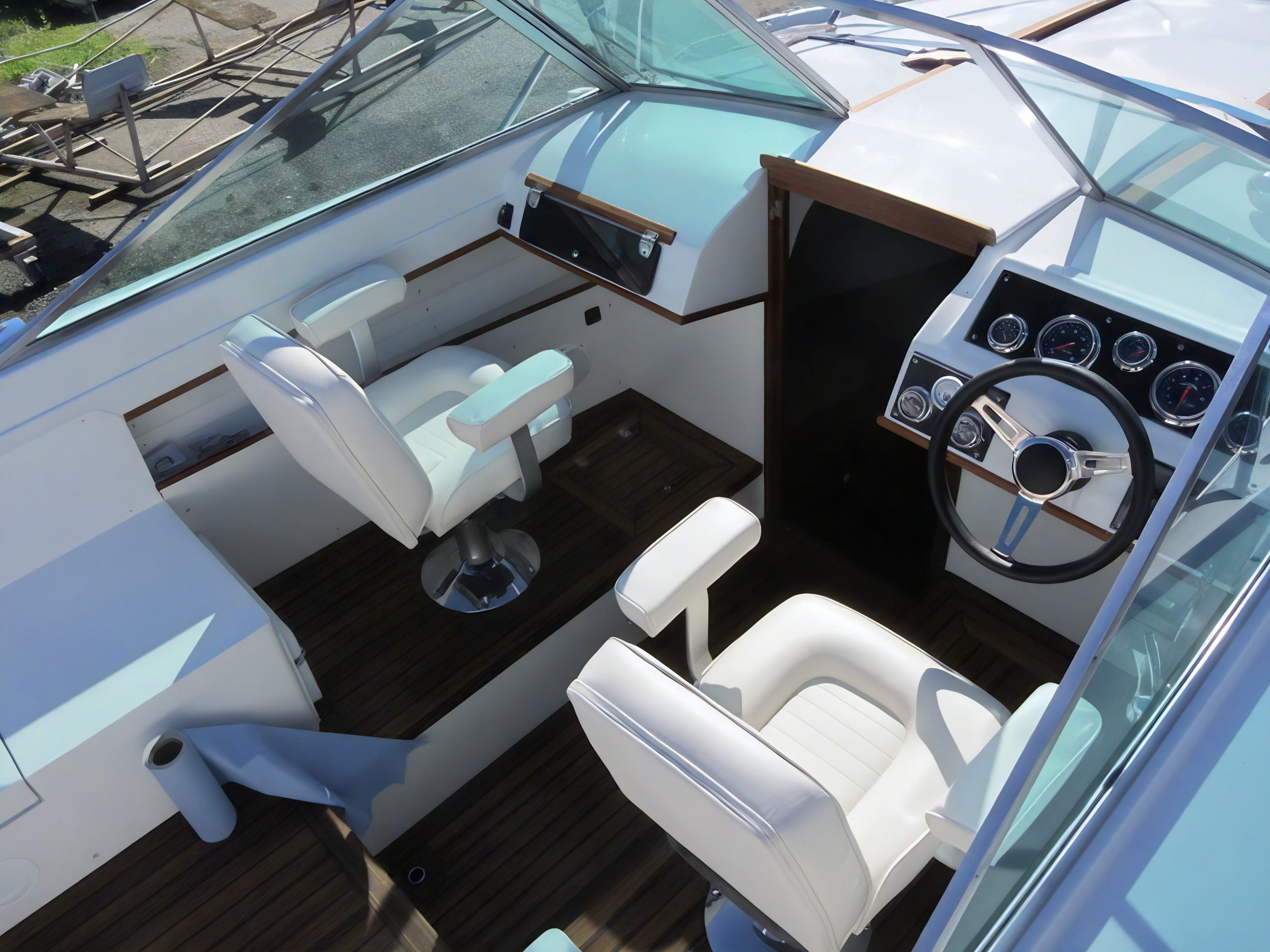
Restomod Chris-Craft - interior
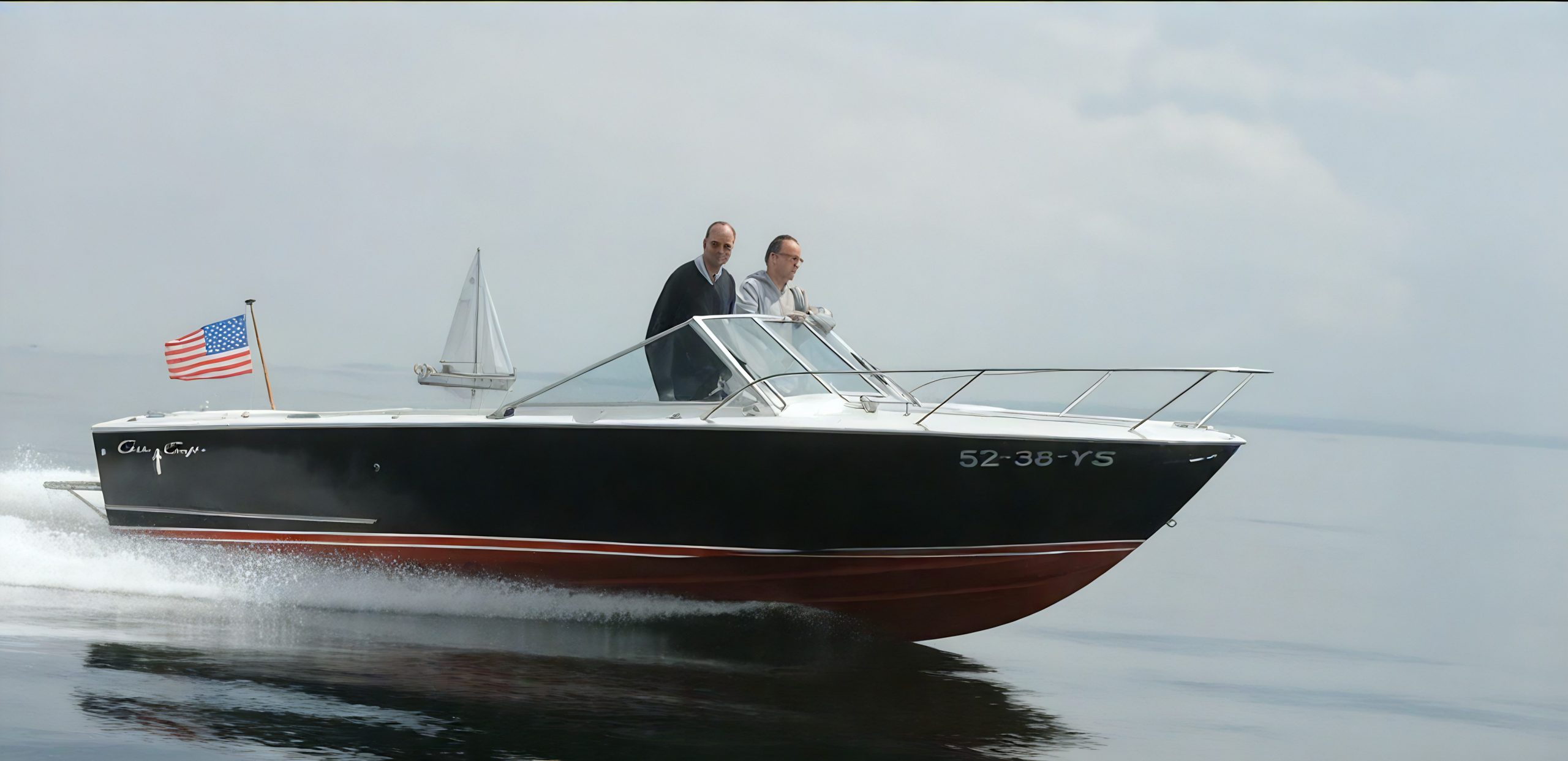
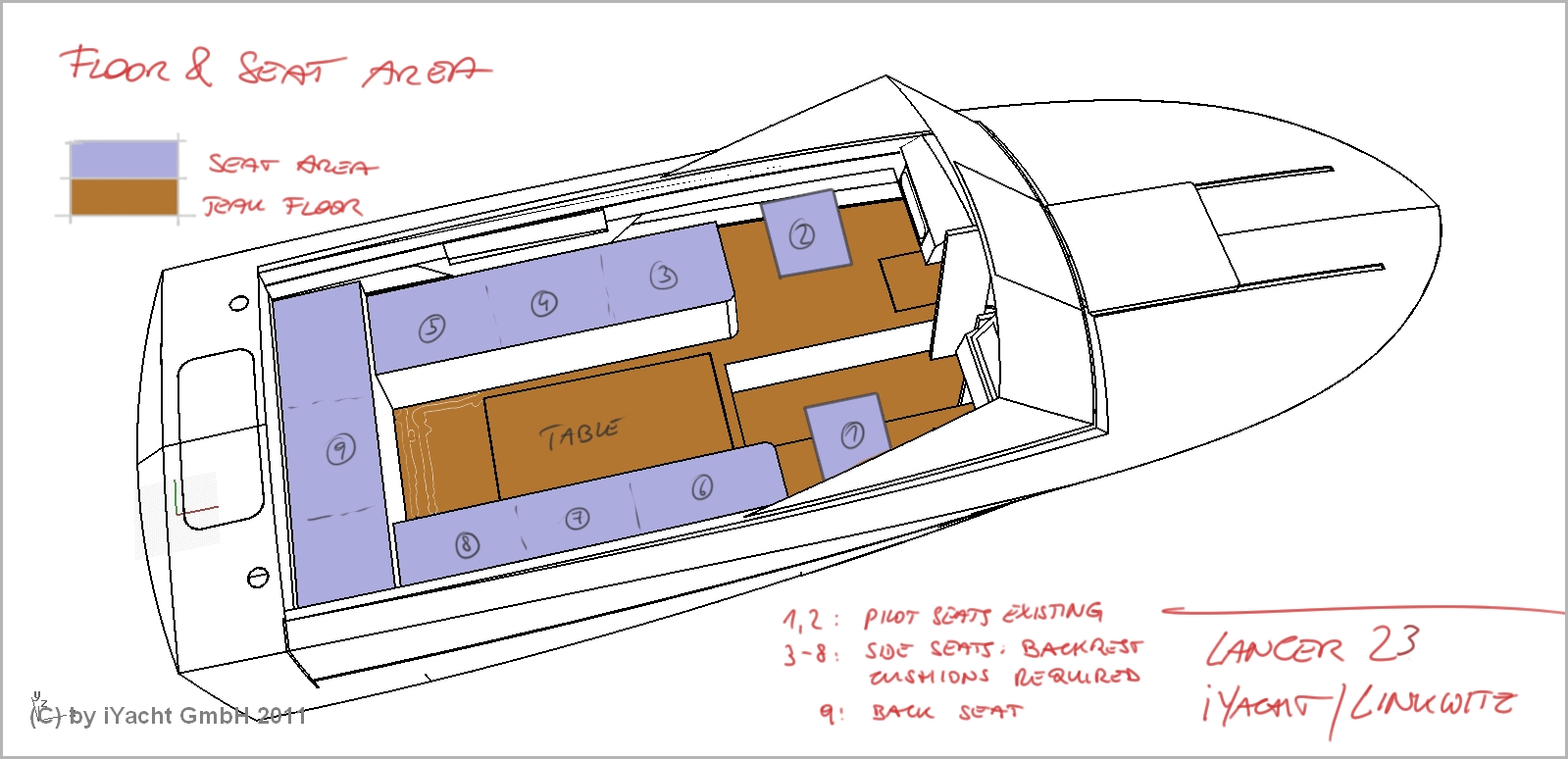
Restoration of a boat - drawing